Which is Better Value? Qn85B Qled vs Q80 Q80A Qled Compared
The landscape of modern television technology moves at a blistering pace, often leaving consumers clutching a list of alphanumeric model numbers that seem more like complex equations than consumer electronics. When navigating the mid-to-high-end segment of Samsung’s display lineup, two series frequently stand out for those who want premium features without the staggering price tag of the flagship 8K or top-tier OLED models. These are the Qn85B and the Q80 series, specifically the Q80A. While they may appear similar at a glance, the technological bridge between them—specifically the transition from standard QLED to Neo QLED—represents one of the most significant shifts in backlighting technology inrecent years.
Choosing between the Qn85B and the Q80A requires an understanding of how light is managed behind the screen. One is a refined version of traditional LED-backlit LCD technology, while the other introduces Mini LED backlighting to the masses. This article provides an exhaustive analysis of these two displays, comparing their performance in bright living rooms, dark home theaters, and high-intensity gaming environments to determine which offers the superior value for your specific lifestyle.
Understanding the Contenders: Neo QLED vs. QLED
To appreciate the value proposition of each TV, we must first define what sets them apart. The Samsung Q80A is a "standard" QLED TV. It uses a Quantum Dot layer to enhance color but relies on a Full Array Local Dimming (FALD) system with traditional-sized LEDs. It was a stalwart of its release year, offering a balanced performance that appealed to a wide demographic.
The Samsung Qn85B, however, belongs to the "Neo Qled" family. The "n" in the model name is the giveaway. This television utilizes Mini LED technology. Instead of hundreds of LEDs providing the backlight, the Qn85B uses thousands of microscopic LEDs. Because these light sources are so much smaller, they can be grouped into significantly more local dimming zones. This technological leap is designed to address the primary weakness of LCD TVs: the "blooming" effect where light from a bright object spills into the dark areas surrounding it. By shrinking the light source, Samsung aims to provide contrast that inches closer to the perfection of OLED while maintaining the high peak brightness that LED panels are known for.
Detailed Performance Analysis: Samsung Qn85B Neo QLED
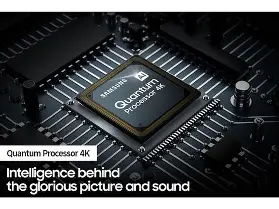
The Qn85B represents the entry point into Samsung's Neo QLED ecosystem, but its performance is anything but entry-level. The inclusion of the Neo Quantum Processor 4K ensures that upscaling is handled with remarkable precision. Whether watching a 1080p Blu-ray or a 720p broadcast of a sporting event, the processor uses AI-based deep learning to fill in the gaps, creating a sharp image without the artificial "waxy" look that plagued older upscaling engines.
One of the most striking aspects of the Qn85B is its brightness. In HDR (High Dynamic Range) content, the Mini LEDs can reach impressive peaks, making highlights like sunlight reflecting off water or the glow of a lightsaber stand out with visceral intensity. Because it can get so bright, it is an exceptional choice for rooms with many windows. While traditional OLEDs might struggle with glare, the Qn85B cuts through ambient light with ease. Furthermore, the panel features Samsung's "Ultra Viewing Angle" technology (though performance varies by size), which helps maintain color accuracy even when sitting off-center—a vital feature for large family gatherings.
Gaming is another area where the Qn85B flourishes. With four HDMI 2.1 ports, it supports 4K at 120Hz across all inputs. For owners of the latest generation of gaming consoles, this means smooth motion, low input lag, and support for Variable Refresh Rate (VRR). The inclusion of the Samsung Gaming Hub also allows for cloud gaming, further increasing the utility of the display without the need for additional hardware.
Pros of the Qn85B
- Mini LED Precision: The high density of LEDs results in significantly better contrast and less blooming than traditional FALD sets.
- High Peak Brightness: Exceptional performance in bright rooms with strong anti-reflective properties.
- Four HDMI 2.1 Ports: A major advantage for power users with multiple high-bandwidth devices like the PS5, Xbox Series X, and high-end PCs.
- Advanced Upscaling: The AI processor handles lower-resolution content beautifully, making it a versatile choice for mixed media consumption.
Cons of the Qn85B
- Lower Native Contrast: Because it often uses an ADS (IPS-like) panel, the native contrast isn't as high as VA panels; it relies heavily on its local dimming to produce deep blacks.
- Price Premium: As a Neo QLED, it usually carries a higher price tag than the standard QLED series.
- No Dolby Vision: Like all Samsung TVs, it supports HDR10+ but lacks Dolby Vision, which is a common format on many streaming platforms.
Detailed Performance Analysis: Samsung Q80A QLED
The Samsung Q80A is a seasoned veteran of the QLED lineup. While it lacks the Mini LED backlighting of its Neo sibling, it utilizes a sophisticated Full Array Local Dimming system. For the average viewer, the Q80A offers an image that is vibrant, colorful, and sharp. It serves as the middle ground between the entry-level edge-lit QLEDs and the high-end enthusiasts' models.
Shop the latest TVs & Home Theater picks on Amazon.
See Deals →The Q80A also utilizes an ADS panel in many of its most popular sizes. This choice by Samsung was aimed at improving viewing angles, which was a historical weakness of the Q80's predecessors. The result is a TV that looks great from the kitchen counter or the side armchair, not just the "sweet spot" on the couch. However, the trade-off is a lower native contrast ratio. In a dark room, the black levels may appear more like a very dark gray compared to the deeper inky blacks found on the Qn85B.
In terms of audio, the Q80A features Samsung's Object Tracking Sound (OTS), which uses speakers positioned around the frame to make audio seem like it's coming from where the action is happening on screen. While not a replacement for a dedicated soundbar, it provides a much more immersive experience than standard down-firing speakers. For the budget-conscious buyer, the Q80A often represents the "sweet spot" of value, providing 120Hz support and solid HDR performance at a significantly lower cost than the Mini LED alternatives.
Pros of the Q80A
- Great Value: Provides many high-end features like 120Hz support and local dimming at a more accessible price point.
- Excellent Viewing Angles: The ADS panel ensures that colors remain accurate even when viewed from extreme angles.
- Solid Motion Handling: Excellent for watching fast-paced sports or action movies without intrusive motion blur.
- User-Friendly Interface: The Tizen OS is snappy and provides access to every major streaming application.
Cons of the Q80A
- Mediocre Dark Room Performance: Without Mini LEDs, blooming is more noticeable, and black levels aren't as deep as the Qn85B.
- Limited HDMI 2.1: Unlike the Qn85B, typically only one port supports the full HDMI 2.1 feature set, which is a hurdle for multi-console owners.
- Lower HDR Impact: While bright, it cannot match the peak luminance or the specular highlight control of the Neo QLED series.
Technical Comparison
To truly understand the value, we must look at the specifications side-by-side. The following table highlights the key hardware differences that impact daily viewing.
| Feature | Samsung Qn85B (Neo QLED) | Samsung Q80A (QLED) |
|---|---|---|
| Backlight Technology | Mini LED (Quantum Matrix) | Full Array Local Dimming (FALD) |
| Processor | Neo Quantum Processor 4K | Quantum Processor 4K |
| HDMI 2.1 Ports | 4 Ports (All 4K @ 120Hz) | 1 Port (Others are HDMI 2.0) |
| HDR Formats | HDR10+, HDR10, HLG | HDR10+, HDR10, HLG |
| Local Dimming Zones | High (Hundreds to Thousands) | Moderate (Typically around 50) |
| Peak Brightness | Higher (Approx. 1100-1500 nits) | Lower (Approx. 700-900 nits) |
| Panel Type | ADS (varies by size) | ADS (varies by size) |
Buying Guide: Real-World Use Cases
Statistics and specifications tell only half the story. To determine the better value, you must consider how the TV fits into your actual lifestyle. Value is not just the lowest price; it is the most performance per dollar for your specific needs.
The Bright Living Room Scenario
If your home features an open-concept living area with large floor-to-ceiling windows or skylights, the Qn85B is the clear winner. The Mini LED system allows for a much higher "sustained" brightness. This means the image won't look washed out when the afternoon sun hits the room. Furthermore, its anti-glare coating is more advanced, diffusing reflections across the screen so they don't distract from the content. In this scenario, the extra several hundred dollars spent on the Qn85B is a legitimate investment in the usability of your television.
The Dedicated Movie Night
For those who prefer to watch movies in a dimmed or completely dark room, the choice is more nuanced. Both TVs use ADS panels, which are not known for deep native blacks. However, the Qn85B's Mini LED backlight does a much better job of masking this. When a bright spaceship moves across a black starfield, the Qn85B will keep the black background much darker with less visible light "halos" or blooming. If you are a cinephile, the Qn85B is worth the step up. If you are a casual viewer who mostly watches sitcoms or the news with the lights on, the Q80A provides 90% of the experience for a much lower cost.
The Multi-Console Gamer
Gaming has become a primary driver of TV sales. If you own both a PlayStation 5 and an Xbox Series X, or perhaps a gaming PC, the Qn85B is almost essential. Having four HDMI 2.1 ports means you can plug in all your devices and enjoy 4K at 120Hz without ever having to swap cables or use an expensive HDMI switcher. The Q80A, having only one such port, forces you to choose which console gets the "premium" connection. For the modern gamer, the convenience and future-proofing of the Qn85B represent superior long-term value.
Shop the latest TVs & Home Theater picks on Amazon.
Browse Now →The Budget-Conscious Family
If the TV is primarily used for kids' shows, YouTube, and the occasional evening movie, the Q80A is arguably the better value. It still offers the vivid Quantum Dot colors that make animated movies pop, and the wide viewing angles mean the kids can sit all over the floor and still see a great picture. In a world where electronic prices are rising, the Q80A remains a high-quality "workhorse" television that looks significantly better than the budget-tier displays found in big-box retailers.
Sound Quality and Design Considerations
Samsung has made great strides in integrated audio. The Qn85B features OTS (Object Tracking Sound), and in its larger sizes, it includes additional height speakers to support Dolby Atmos natively. This creates a much broader soundstage. The Q80A also features OTS, but with a slightly less powerful speaker configuration. Both TVs support "Q-Symphony," which allows the TV speakers to work in tandem with a compatible Samsung soundbar. If you plan on buying a soundbar separately, the difference in built-in TV audio becomes negligible, perhaps tilting the value back toward the more affordable Q80A.
Regarding aesthetics, the Qn85B features the "NeoSlim" design. Because Mini LEDs are so small, the entire chassis of the TV can be made thinner. This makes it look stunning when wall-mounted, sitting almost flush against the surface. The Q80A is by no means bulky, but it lacks that ultra-thin "profile of the future" look. If the TV is the centerpiece of your interior design, the Qn85B's sleekness adds a level of premium feel that some buyers find worth the cost.
Software and Smart Features
Both televisions run Samsung's proprietary Tizen operating system. However, the Qn85B usually comes with the latest version of the interface, which includes a full-screen layout rather than the ribbon menu found on older versions of the Q80A. The newer interface is better at recommending content across different apps but can sometimes feel a bit more cluttered with advertisements. Both support voice assistants like Alexa and Google Assistant, and both feature the solar-powered remote, which eliminates the need for disposable batteries—a small but appreciated touch for environmentally conscious buyers.
Conclusion
When weighing the value of the Samsung Qn85B against the Q80A, the decision ultimately boils down to how much you value the "Neo" in Neo QLED. The Qn85B is undeniably the superior television in every technical metric. Its Mini LED backlighting provides a level of contrast and brightness that traditional QLEDs simply cannot reach. For gamers requiring multiple high-speed ports, for those with sun-drenched living rooms, and for viewers who want a tastes of flagship performance, the Qn85B is the better buy.
However, the Samsung Q80A is a masterclass in the "diminishing returns" of consumer technology. While it doesn't hit the same highs as the Qn85B, it delivers a very high-quality image that will satisfy the vast majority of households. If you are looking for a large-screen experience on a strict budget, the Q80A allows you to save money that could be better spent on a high-end soundbar or a collection of 4K ultra-high-definition discs. The Qn85B is the better television, but the Q80A remains a formidable contender in the fight for the best purely economic value.