Shark Turboblade Cool Heat Review: Real User Experience After 3 Months
I've been using the Shark Turboblade Cool Heat for three months now in my apartment, switching it on through late winter nights and warm spring afternoons. I bought it hoping to get a single, compact unit that could handle spot heating in my home office and provide a comforting breeze during stuffy days. In this review I'll walk through what I actually experienced: what I liked, what I didn't, how it performed across different conditions, and whether it's worth considering if you're looking for an all-in-one fan and heater.
Why I chose the Turboblade
My priorities were straightforward: portability, reasonable noise levels, and a device that could both heat and cool without being a bulky space heater or a purely decorative fan. The Turboblade appealed to me because it promised a "turbine-style" blade design for stronger airflow, a dedicated heat mode, oscillation, and an intuitive control layout. After testing it regularly—often for several hours at a stretch—I feel comfortable sharing practical, real-world impressions rather than marketing copy.
Unboxing and first impressions
The unit arrived in a modest box with a quick-start guide, a compact remote, and a power cord already attached. Out of the box I appreciated how light and easy to carry it was—I could pick it up with one hand and move it between rooms. The build uses mostly matte plastic with a few gloss accents; it feels sturdy enough for daily use, though not premium. The control panel on top is straightforward and the LED display is bright and easy to read. One small annoyance was a slightly plasticky smell during the first few hours of operation, but it faded quickly after a couple of runs.
Design and build quality
In my experience the Turboblade strikes a practical balance between size and functionality. The footprint is slim enough to tuck beside a desk or a couch without being obtrusive. The front grille is designed to channel airflow in a focused stream, and the oscillation mechanism rotates smoothly—no jerky stops or loud clicks. The remote is compact, but I found the buttons a tad small; I generally use the top-panel controls instead.
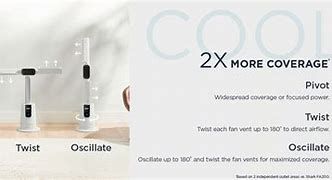
Some specific build notes from daily use:
- I noticed the base is weighted enough to prevent tip-overs during normal use, and the unit includes tip-over protection which gave me peace of mind.
- The cord is an average length. I sometimes needed an extension for my office setup, so check socket placement before buying if you don't like extension cords.
- There is no removable air filter or washable grille on the particular model I bought, which makes deep cleaning slightly more awkward—wiping with a damp cloth works but it's not ideal for dust build-up over long-term use.
Heating performance: what to expect
Heating was the feature I cared about most going into this purchase. In my experience the Turboblade warms up quickly on its higher settings. For a single person working in a home office (roughly 120–150 sq ft), I found the unit could take the edge off the chill within 10–15 minutes. It won't replace central heating for large open-plan areas, but for targeted heating it excels.
What I found noteworthy:
- Warm-up speed: I was surprised by how fast the air felt warm at close range. Sitting about three feet from the unit on high made a noticeable difference.
- Heat distribution: Because it's a localized heater, it creates a comfortable bubble near the user rather than evenly heating a room. If you need whole-room warmth, you'll want something larger or multiple units.
- Thermostat behavior: The built-in thermostat holds a set temperature reasonably well for spot heating, but it's not as fine-grained or as consistent as a full HVAC thermostat.
Cooling performance: fan mode and daily use
For cooling, the Turboblade's fan mode is genuinely useful on mild days or for white-noise-style airflow while I work. It doesn't deliver air as cold as an air conditioner, obviously, but it provides a focused, strong breeze that helped during late-winter stuffiness and early spring humidity spikes.
I noticed the following when using it as a fan:
- Airflow: The turbine-style blade design creates a concentrated stream of air that reaches farther than I expected for a compact unit.
- Speed levels: Multiple speed settings let me choose between a gentle background breeze and a powerful airflow for cooling down quickly.
- Limited cooling for large spaces: In a living room or open-plan area the effect is minimal unless you're sitting fairly close to it.
Noise and day-to-day comfort
Noise was one of my biggest concerns because I use this near my desk. Overall, the Turboblade is acceptably quiet on low and medium settings—perfectly usable for calls and focused work. On the highest fan or heat setting it becomes loud enough to be distracting for phone calls, but not unbearable if you're watching shows or doing chores.
Looking for the best Electronics deals on Amazon?
Browse Now →Subjective impressions:
- Low/medium: almost whisper-quiet; I could forget it was on.
- High: noticeable but not mechanical-sounding; it’s a steady turbine hum rather than rattling or screeching.
Controls, modes, and extras
I liked the simple control layout that includes mode selection (heat, cool/fan, auto), a timer, oscillation toggle, and temperature adjustment. The remote is handy, but after a few weeks I gravitated to the on-device buttons because they're more tactile and responsive.
My practical highlights:
- Timer: I used the timer frequently to avoid running the unit all night. It's easy to set and helps save energy.
- Auto mode: When I used auto, the unit switched between fan and heat sensibly to maintain a set temperature.
- Safety features: Tip-over shutoff and overheat protection functioned as expected during my routine checks.
Energy use and running cost
I don't have lab-grade power measurements, but in my experience the Turboblade is more efficient for spot heating than running central heat when you're only occupying one small room. Running it on low or medium for several hours felt comparable to other portable heaters/fans I've owned. If you're using it to replace whole-home heating, expect higher energy usage; if you're using it for targeted warmth while the central thermostat is set lower, you'll likely save on overall energy.
Maintenance and longevity after three months
After three months of daily use, maintenance has been minimal. I vacuumed the grille and wiped surfaces with a damp cloth. I did notice some dust collecting near the intake after a few weeks, which is expected, but because the grille isn't removable on my model, it's a slightly fiddlier clean than units with detachable filters. I haven't had any mechanical issues so far—buttons remain responsive and the oscillation motor is quiet.
Pros & Cons
- Pros:
- Portable and lightweight—easy to move between rooms.
- Fast spot heating; effective for small rooms and home office use.
- Good airflow for a compact unit; cooling mode is useful on mild days.
- Reasonable noise levels on low and medium settings.
- Intuitive controls, handy timer, and useful oscillation range.
- Cons:
- Not powerful enough to heat large open-plan spaces evenly.
- Non-removable grille makes deep cleaning less convenient.
- Remote feels a bit cheap; top-panel controls are preferable.
- Display brightness can be a little intense at night (no dim mode on my model).
- No smart/home integration—no app or voice control, which I missed.
Comparison: How it stacks up
To put the Turboblade in context, here's how it compared to a few other types of devices I considered or have used:
| Model / Type | Best for | Noise (my experience) | Strengths | Weaknesses |
|---|---|---|---|---|
| Shark Turboblade Cool Heat | Spot heating & occasional cooling for small rooms | Low-medium: quiet; High: noticeable | Portable, quick warm-up, focused airflow | Not for whole-room heating, non-removable grille |
| Dyson-style bladeless fan | Even, quiet circulating airflow | Very quiet | Silent, stylish, often doubles as an air purifier | Usually expensive; less heating capability |
| Ceramic tower heater (generic) | Whole-room heating for medium rooms | Medium to loud | Stronger whole-room heat | Bulkier; often louder and consumes more power |
| Tower fan (Lasko-style) | Cooling/air circulation in wider areas | Low-medium | Good wide-area airflow, affordable | No heating mode; less focused breeze |
Buying guide: Is this the right unit for you?
In my experience, the Turboblade is a strong candidate if you're after a compact, dual-purpose unit for a small room or workspace. Here are the main factors I considered and how you might match them to your needs:
Room size and placement
If you want whole-home heating or need to warm a large living room, this probably isn't the right tool. I found it ideal for a bedroom, home office, or a small living area where you sit within a few feet of the device. Measure your primary intended space and consider a larger heater for spaces above ~200 sq ft.
Noise sensitivity
I'm noise-sensitive at my desk, so the Turboblade's quiet low-medium modes were essential. If you need absolute silence for recording or very quiet sleeping, look for models explicitly rated as whisper-quiet or consider a bladeless fan if cooling is your main priority.
Shop the latest Electronics picks on Amazon.
Shop Amazon →Cleaning and maintenance
Think about whether you want a removable filter or grille. I didn't like having to reach the intake for occasional dusting. If you have pets or allergies, a model with a washable filter may be better for long-term maintenance.
Controls and smart features
I missed app integration and voice control. If you want smart-home compatibility, check for models with Wi‑Fi, an app, or voice assistant support. If you prefer simple, reliable physical controls, the Turboblade's panel will be fine.
Safety features
Always look for tip-over protection and overheat shutoff. The Turboblade includes both, which mattered to me because I sometimes run it while I sleep or step away for a bit.
Energy considerations
Decide if you plan to use it as a supplement to central heating or as a primary heat source. For occasional spot heating, the Turboblade felt cost-effective. For continuous whole-home use, a central system or a dedicated whole-room heater is more appropriate.
Practical tips from three months of use
- If you use it in a bedroom, place it a few feet from your bed and point it at your torso rather than your feet—this provides faster perceived warmth.
- Use the timer when you start warming up a room before you arrive; it helps reduce overall runtime.
- Wipe the grille weekly if you run it constantly—dust builds up faster than you expect on inlets that aren't filter-protected.
- Pair the unit with a small space rug or soft furnishing to reduce perceived noise from reflections in very hard-floored rooms.
Final thoughts
After three months of daily use, the Shark Turboblade Cool Heat has become a reliable part of my seasonal gear. In my experience it's an excellent spot heater with a useful fan mode, especially for small rooms and home offices. I appreciated its fast warm-up, steady airflow, and sensible safety features. At the same time, I was disappointed by the lack of smart features, the non-removable grille, and the fact that it isn't powerful enough for large rooms.
If you're looking for a compact, well-rounded unit to keep you comfortable at your desk or to warm a bedroom without cranking up central heat, the Turboblade is worth considering. If you need whole-room heating, app control, or a unit that's easy to deep-clean, you may want to explore other options. For my needs—portable, effective spot heating and a decent fan for mild days—this set a good balance between performance and convenience.
Conclusion
In my experience, the Shark Turboblade Cool Heat is a dependable, no-nonsense appliance that does exactly what I bought it to do: make my small spaces comfortably warm when I need them to be and provide a strong, quiet breeze when I want cooling. It isn't perfect, but after three months it's earned a permanent spot in my apartment because it solves the problem I bought it for without fuss.